
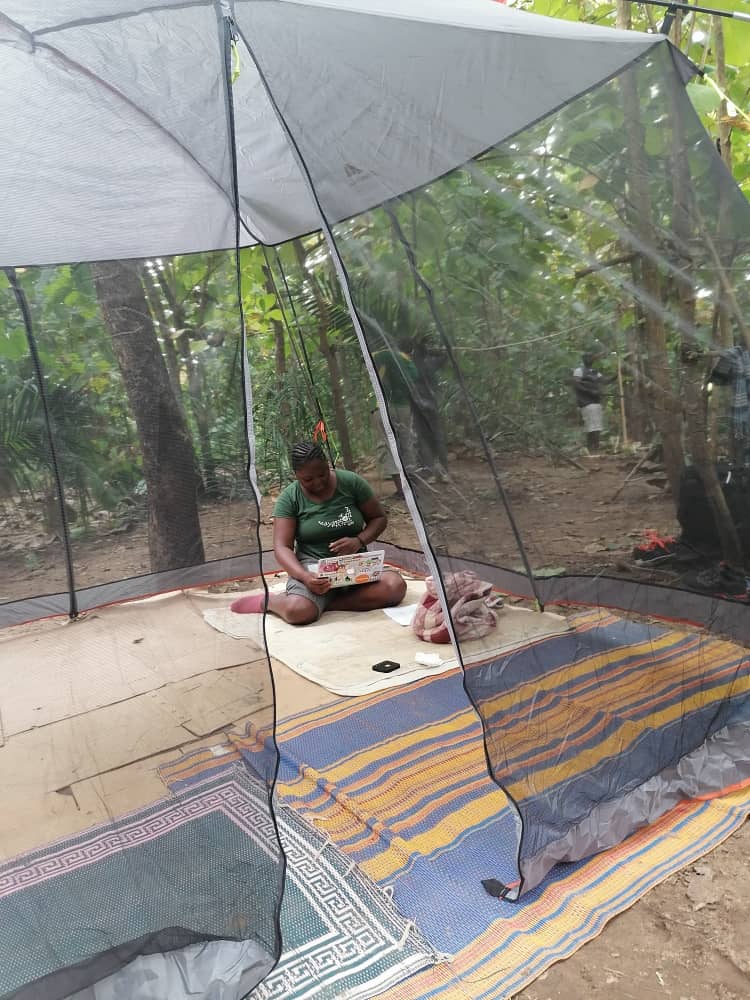
Loving Solitude Does Not Mean Rejecting Community
I love being alone. I also love bringing people together.
Some people find that contradictory. How can someone enjoy solitude and still spend so much time building communities, organizing gatherings, and connecting people?
I have never seen a contradiction. Loving your own company does not mean you dislike other people or have no interest in belonging. Yet we often treat solitude and community as though we must choose one or the other.
Being Alone Is Not the Same as Being Lonely
I genuinely enjoy my own company.
I like quiet spaces, having time to think, and being able to go about my day without constantly interacting with other people.
Sometimes, I want to spend an entire day alone. Not because I am upset with anyone or avoiding the world, but simply because I enjoy it.
And yet, I also enjoy bringing people together.
I organize gatherings, facilitate conversations, and help people find connections through the communities I am part of.
These are not competing interests.
One describes how I enjoy spending my personal time. The other describes something I value about human relationships.
Enjoying solitude does not mean someone is lonely. And enjoying community does not mean someone wants constant company.
We should be careful not to confuse the two.
Why Do We Assume Everyone Wants the Same Kind of Connection?
There seems to be an expectation that people who value relationships should always want to be around others.
If someone declines invitations, prefers staying home, or spends a lot of time alone, we sometimes assume they are lonely, antisocial, or disconnected.
But that assumption overlooks something important.
People have different preferences for how they spend their time and maintain relationships.
Some enjoy frequent gatherings and constant conversations.
Others prefer occasional meetups, one-on-one interactions, or simply knowing they have people they can reach out to when they want company.
Neither approach is inherently better.
Someone who enjoys solitude may have meaningful friendships, strong family relationships, professional networks, and several communities they actively contribute to.
They simply do not need to be surrounded by people all the time.
Being comfortable alone does not mean being disconnected from others.
We Often Mistake Visibility for Belonging
I think this misunderstanding extends into how we build and manage communities.
We often measure participation by what we can see.
Who attends every event?
Who speaks during discussions?
Who comments on every post?
Who volunteers for every activity?
These are useful signals, but they do not tell the whole story.
Consider someone who belongs to a professional community but rarely participates in group conversations.
They read the newsletters, follow the discussions, attend an occasional event, and maintain relationships with a few members.
They may not be particularly visible.
But does that mean they do not value the community?
Not necessarily.
They might feel connected, appreciate the information shared, and know that the community is there when they need it.
Their participation simply looks different.
And perhaps that is something we need to recognize more often.
Not everyone who belongs needs to be constantly visible.
Community Should Make Room for Different Ways of Belonging
As community leaders, we naturally want people to participate.
We organize events, start conversations, encourage introductions, and look for ways to bring members together.
There is nothing wrong with that.
But I think we should also ask whether our expectations of participation leave room for people who engage differently.
Does every member need to attend every event?
Does someone have to contribute regularly to be considered valuable?
Are we creating opportunities for quieter members to participate without putting them under pressure?
Can people step away for a while and return without feeling guilty?
These questions matter because community should not become another place where people feel they must constantly prove their commitment.
Some people contribute through conversations. Others share resources, recommend opportunities, offer support privately, or simply show up when their presence is needed.
And sometimes, people are going through periods of life when they have less time or energy to participate.
That does not automatically mean they have stopped caring.
Of course, communities need people who participate and contribute. A community where nobody engages or takes responsibility will struggle to sustain itself.
But meaningful participation does not have to look the same for everyone.
In What a Community Should Feel Like, I explored why genuine community is rooted in how people experience connection, welcome, and belonging, not simply how active they appear to be.
Solitude Can Strengthen How We Show Up
There is another part of this conversation worth considering.
Time alone can give us space to reflect, process experiences, and think about how we want to contribute to the world around us.
For some people, solitude is how they recharge after spending time with others.
For others, it is simply a preferred way of living.
Neither means they are incapable of building relationships or contributing to a community.
I know that I enjoy community activities more when I also have the freedom to spend time alone.
I can appreciate a gathering, enjoy the conversations, and look forward to returning to my own space afterward.
I do not see why one should cancel out the other.
And I do not think we should expect people to justify their preference for solitude as though it is something that needs correcting.
Belonging Does Not Require Constant Presence
In my earlier article, You Should Not Have to Perform to Belong, I explored how genuine belonging should not require people to pretend to be someone they are not.
I think the same principle applies here.
Someone should not have to become more outgoing, attend every gathering, or maintain constant communication simply to demonstrate that they value a community.
We can create expectations around participation without making people feel that their place depends entirely on how often they show up.
And we can recognize that some people enjoy belonging to something larger than themselves while also protecting their personal space.
Being alone is not the opposite of belonging.
Sometimes, it simply means enjoying your own company while knowing that you have people, relationships, and communities that matter to you.
And there is nothing contradictory about that.
Do you enjoy solitude, or do you prefer being around people? Have you ever felt that others misunderstood what your preference meant?
Let’s Build Something Meaningful
Building a community, growing a business, or trying to bring more clarity to your ideas?
I help individuals, founders, and organizations turn ideas into practical strategies, stronger systems, and meaningful connections.